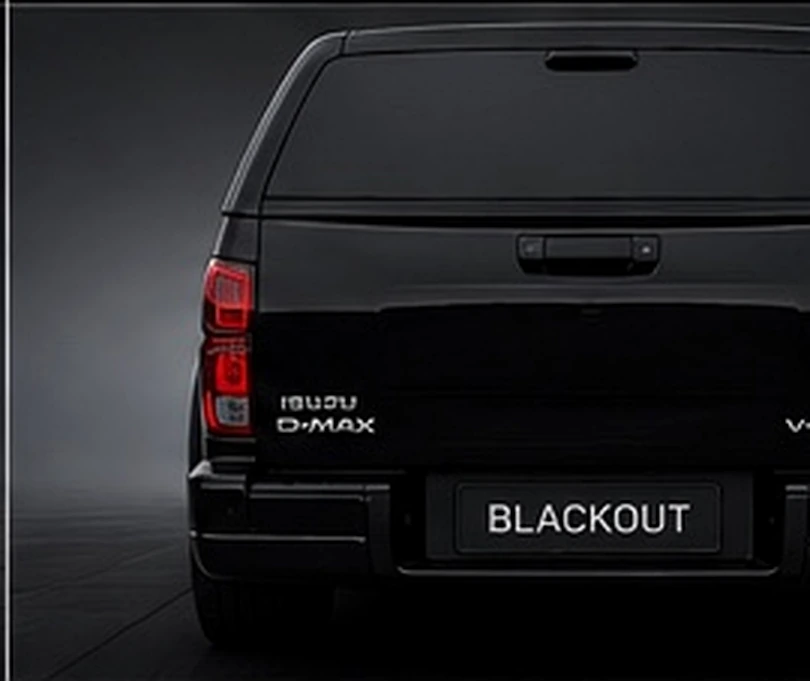
BLACKOUT / System exploration
The machine
The vehicle, canopy, acoustic chamber, pass-through, hidden technical bay and cooling system viewed as one coordinated concept.
PB-401 / Whole-bed plan
Cab / forwardTailgate / rear
Forward slot port → flexible cab pass-through
Exactly four driversTrue 2 × 2 / all up-firing
PB-420 / Flexible cab-to-bed interface
PB-510 / Hidden technical chamber
01Master isolationAccessible without enclosure removal
→
02Fused bus architectureProtected positive and negative distribution
→
03Sundown amplificationExact topology follows impedance design
→
04Lithium bankChemistry and capacity builder decision
PB-540 / Isolated cooling route
PB-560 / Layered treatment concept
01Panel / structureReinforcement first
→
02CLDResonance control by zone
→
03DecouplingClosed-cell or hydrophobic material
→
04Barrier / trimOnly where safe and serviceable
System rule
Separate structures. Flexible connection.
The body-on-frame platform means the passenger cab and pickup bed do not behave as one rigid shell. The bass connection must preserve relative movement.
- No unengineered rigid welding between cab and bed structures.
- Reinforce both openings without compromising seat-belt or restraint structures.
- Use a replaceable flexible seal or bellows.
- Provide water management, inspection access and protected cabin trim.
Service philosophy
Routine access without dismantling the build.
Major component replacement may require a defined enclosure-lifting operation, but daily service points should remain accessible: master isolation, fuses, DSP connection, voltage checks, filters, fan trays, BMS diagnostics and emergency mute.
The final structure should be documented like a system, with labelled panels, cable IDs, torque values and a safe removal sequence.